
History Hides in Plain Sight.
Online records can only take you so far. To understand a life, you have to stand where it was lived.
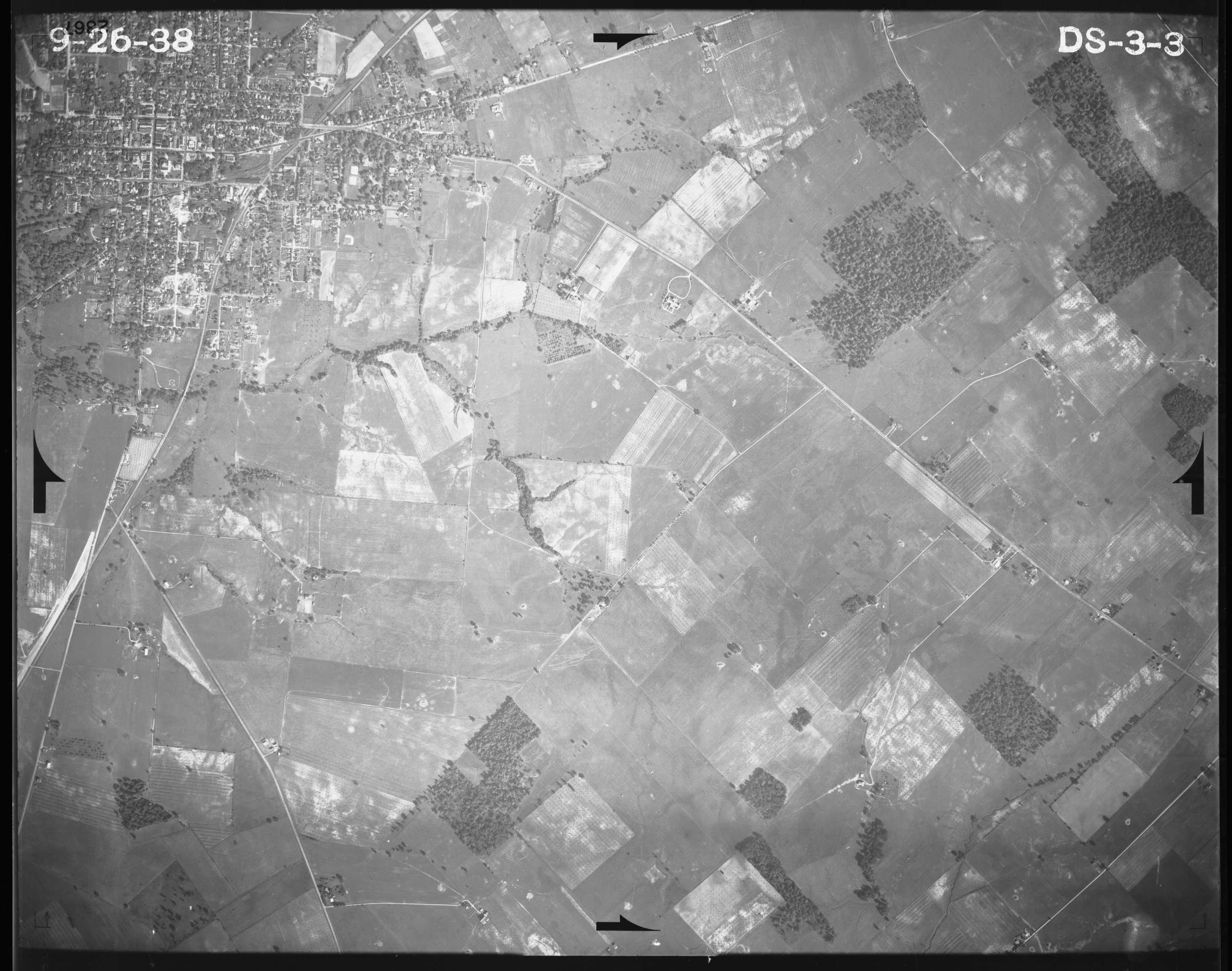
SOURCE: NATIONAL ARCHIVES / RECORD GROUP 145 / IMG DS-3-3
Databases have limits. They can't show you the slope of the hill your ancestor plowed, the ghost traces of a road that no longer appears on modern maps, or the moss-covered stone hiding in a woodlot.
I believe in forensic geography. When the paper trail ends, I go to the source to reconstruct the physical world your ancestors inhabited.
The Ohio Beat
Uncovering the layers of the Buckeye State.
The Pioneer Trace
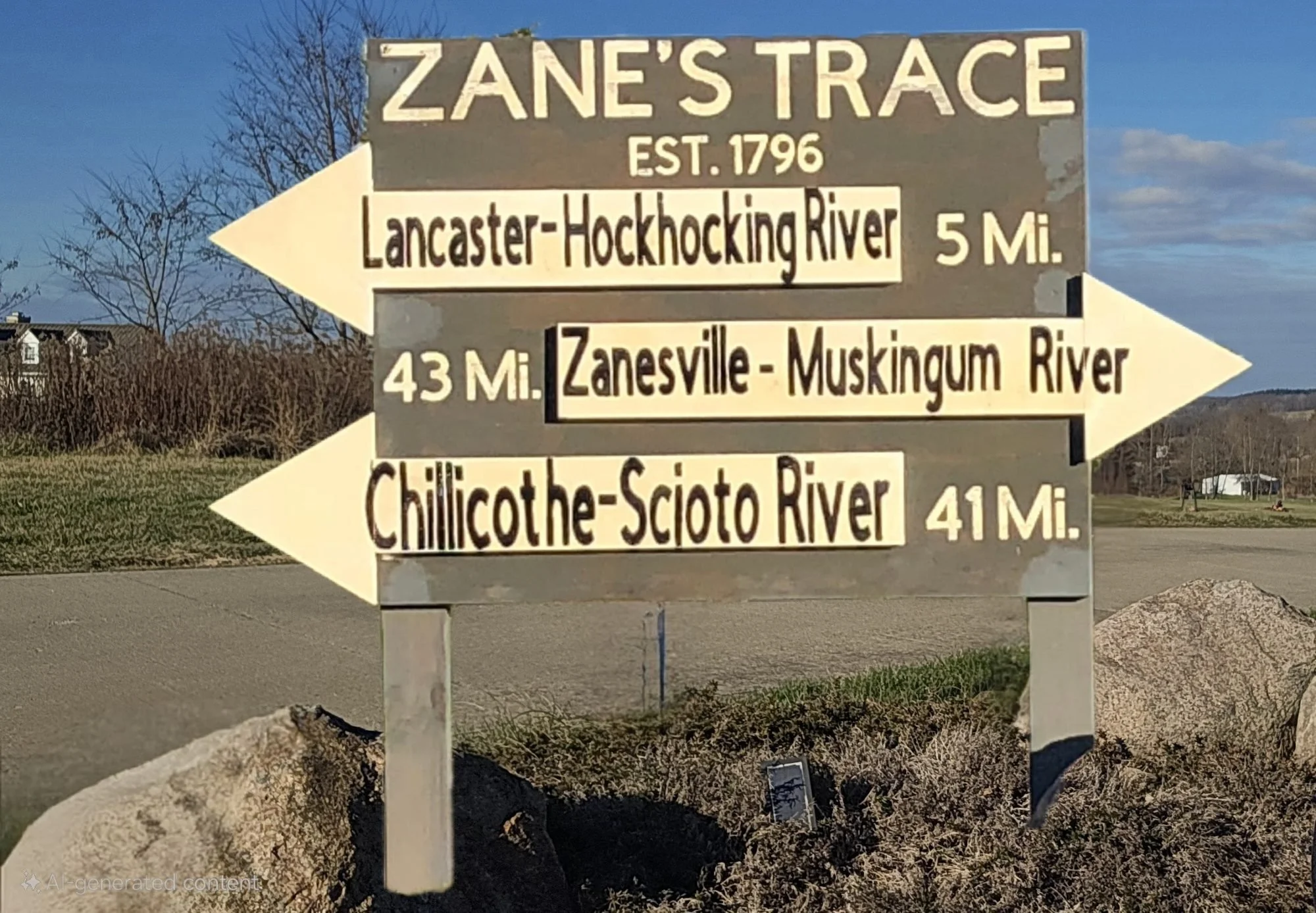
Migration wasn't a straight line. I track the physical scars left by the first settlers who pushed inward from Virginia.
Zane’s Trace: Retracing the path of Ohio’s first frontier road to understand how early families moved from the river to the interior.
The Clay Legacy: Documenting the physical remains of the rustic pottery trade in Muskingum County—connecting the soil to the occupation.
Lost Roads & Vanishing Grounds
Time is the enemy. Roads are paved over, towns are flooded, and rural cemeteries are swallowed by the forest. I use 19th-century maps and modern topography to locate these sites before they are erased completely.
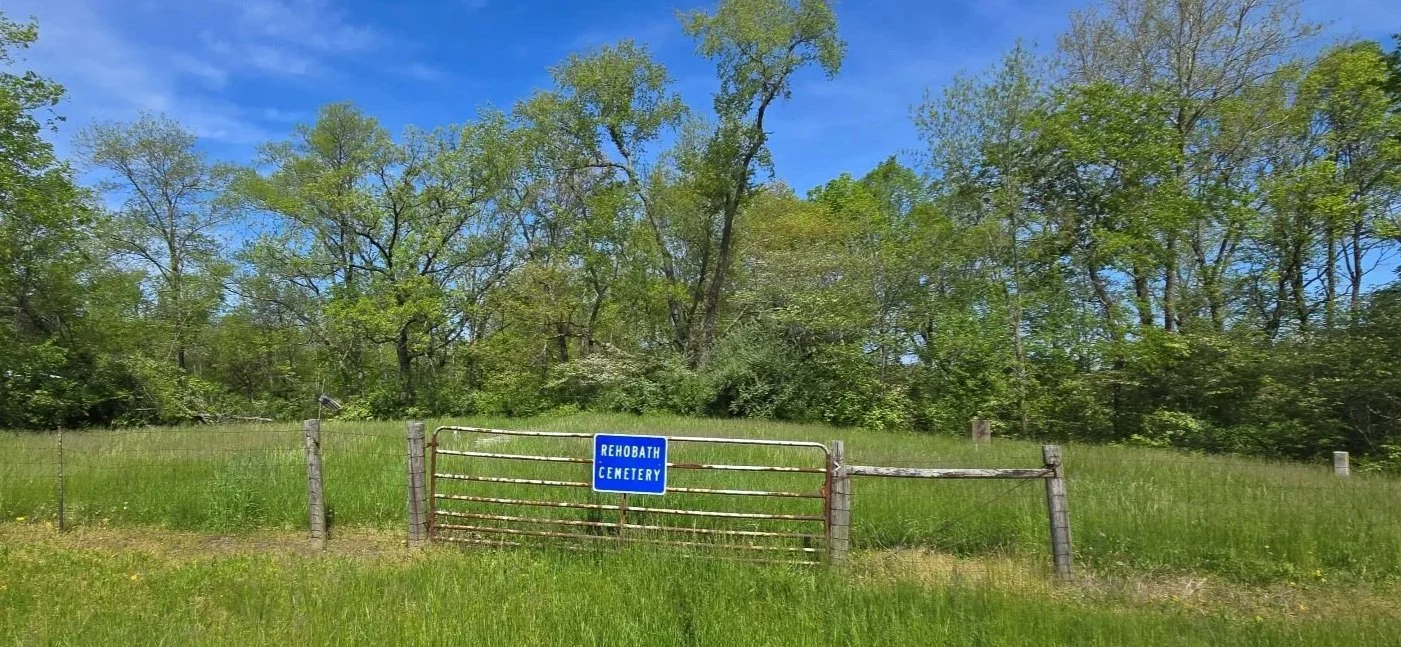
The Displaced Record: Investigating sites like Rehobath Cemetery, where headstones were relocated to a central concrete runner—preserving the inscriptions but severing the physical link to the original graves of Clinton County's earliest explorers.
The "Frog Lane" Mystery: Reconstructing the path of a vanished Fayette County, Ohio road to locate family homesteads that no longer appear on modern maps.
Displaced History: Tracing family footprints through New Burlington, a historic village submerged by a man-made lake.
The Institutional Archives
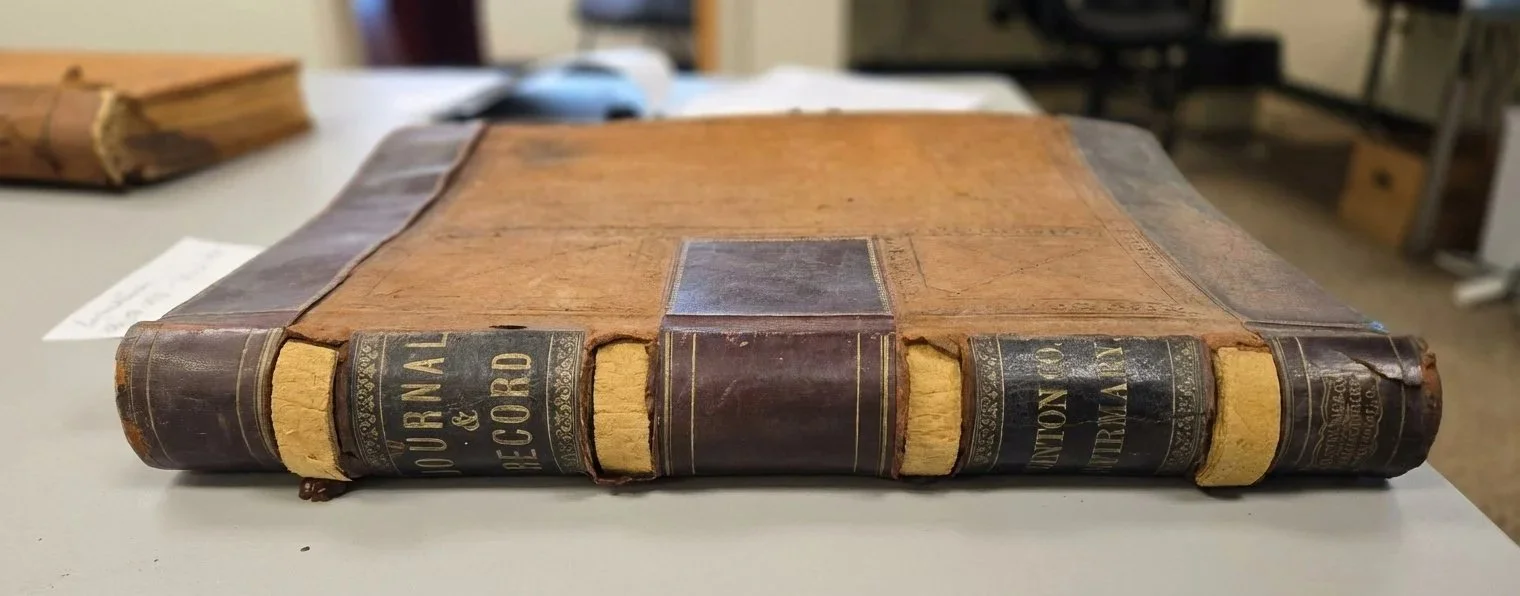
The truth is often buried in the frail pages of county ledger books or rolled away on microfilm. I specialize in navigating the deep repositories of the state to retrieve the records that never made it online.
The "Invisible" History: Transcribing County Home Board minutes, Workhouse ledgers, and Correctional records to reconstruct the lives of those society tried to forget.
Military Forensics: Pulling original Civil War muster rolls to verify service details beyond the basic index.
Sealed Narratives: Navigating the complex legal pathways of Adoption History to reconnect severed family lines.
National Operations
Roots in Ohio. Reach is National.
The Southern Campaign
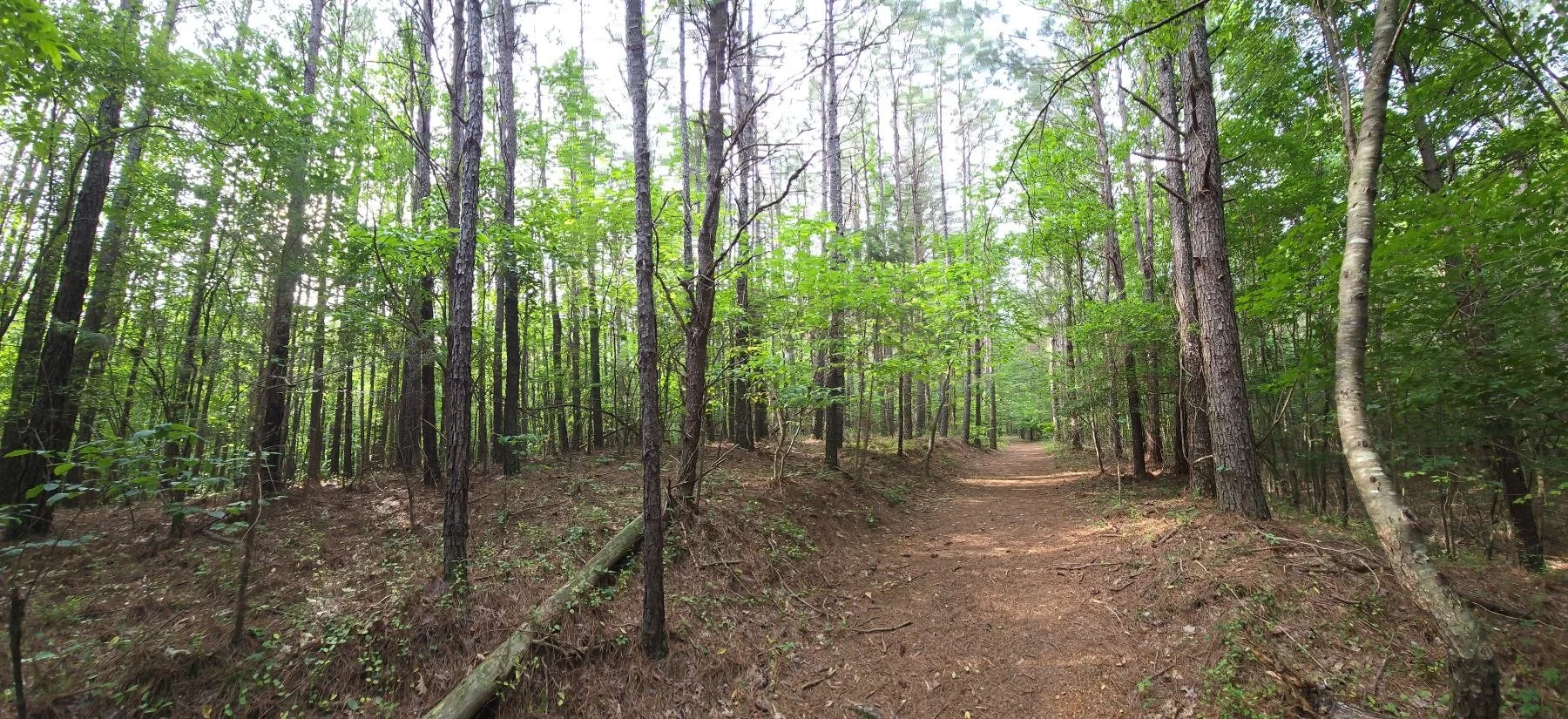
Following the path of the 1864 Atlanta Campaign to recover the story of a fallen ancestor.
The Chattanooga Contradiction: Investigating a cold case at Chattanooga National Cemetery. While the Ohio Honor Roll lists my 3rd-great-grandfather as interred there, his specific location remains lost among thousands of "Unknown" soldiers moved from the battlefield in 1866.
Tactical Survey: A 6-mile forensic hike of the Resaca National Historic Site—tracing the Union advance through Snake Creek Gap to the Confederate lines—to understand the terrain where he fell on May 14, 1864.
Living History: Interviewing participants at the 161st Battle of Resaca Reenactment to reconstruct the sensory reality and conditions of the conflict.
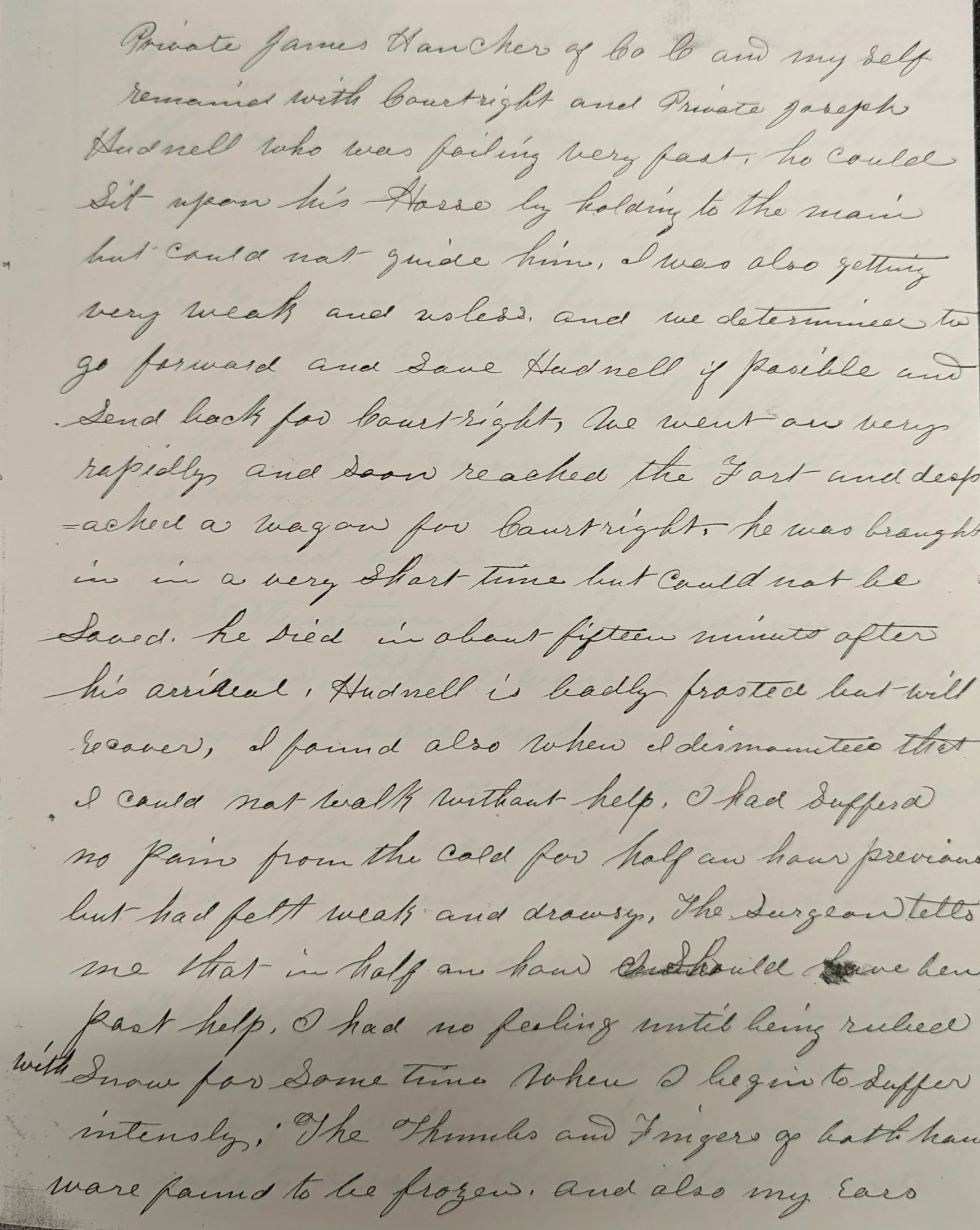
Source: Correspondence of Col. William O. Collins. Courtesy of the Denver Public Library, Western History Collection.
The Western Front
Active Investigation
The frontier didn't end in Ohio. My research into the 11th Ohio Volunteer Cavalry uncovered this handwritten field report describing the brutal Rocky Mountain blizzard of 1863.
The Smoking Gun: The Colonel describes the onset of hypothermia in real-time: "I had suffered no pain from the cold... but felt weak and drowsy."
The Survival Story: Documenting the near-death ordeal of Private Joseph Hudnell and the conditions my ancestor endured on the high plains.
Next Step: Deploying to Fort Laramie to track the physical path of this unit through the Wyoming territory.
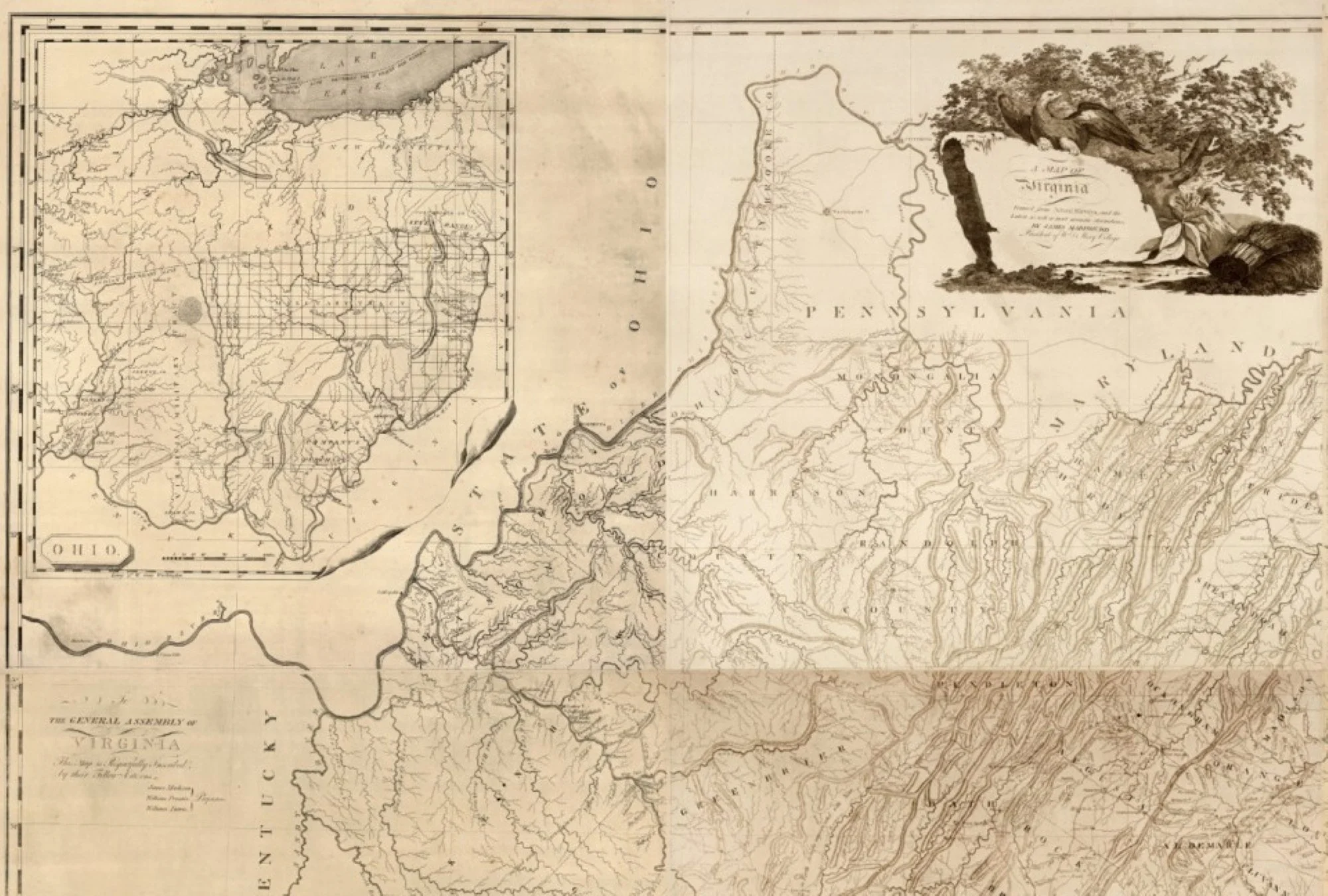
Source: Bishop Madison’s Virginia (1807/1818). Courtesy of the David Rumsey Map Collection.
The Eastern Origin
Planned Expedition
Ohio’s roots run deep into the East. I am organizing an investigation into the "Old Dominion" to locate the 1809 origins of a 4th-great-grandfather.
The Objective: Verifying the birth record of an early settler before he crossed the mountains into the Ohio frontier.
The Connection: Bridging the gap between the colonial record and the pioneer reality.
Tools of the Trade
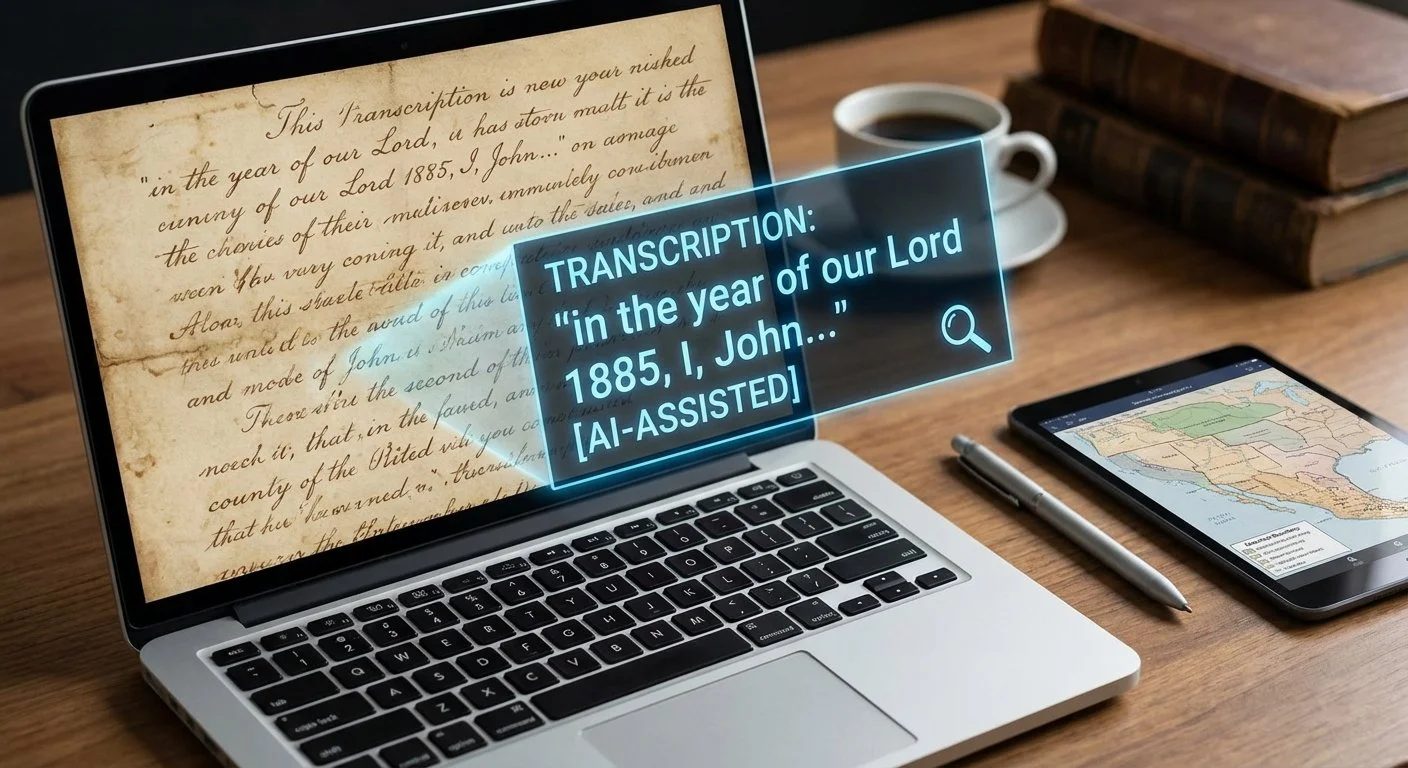
AI & Transcription
Utilizing advanced handwriting recognition models to unlock unindexed records, decode 19th-century script, and locate documents that standard search engines miss.
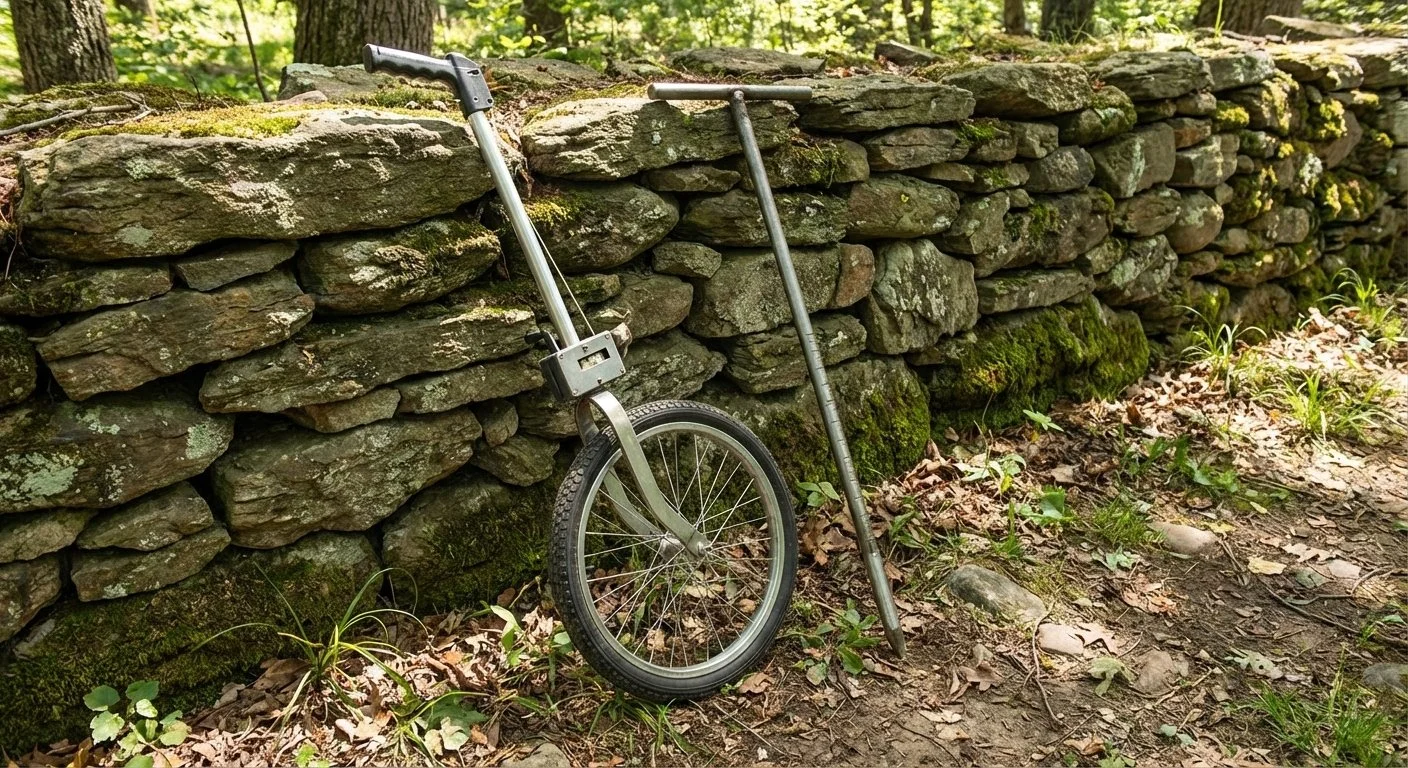
Survey & Detection
Non-invasive ground probes and distance wheels to map lost rows, identify cemetery boundaries, and detect submerged cornerstones without disturbing the soil.
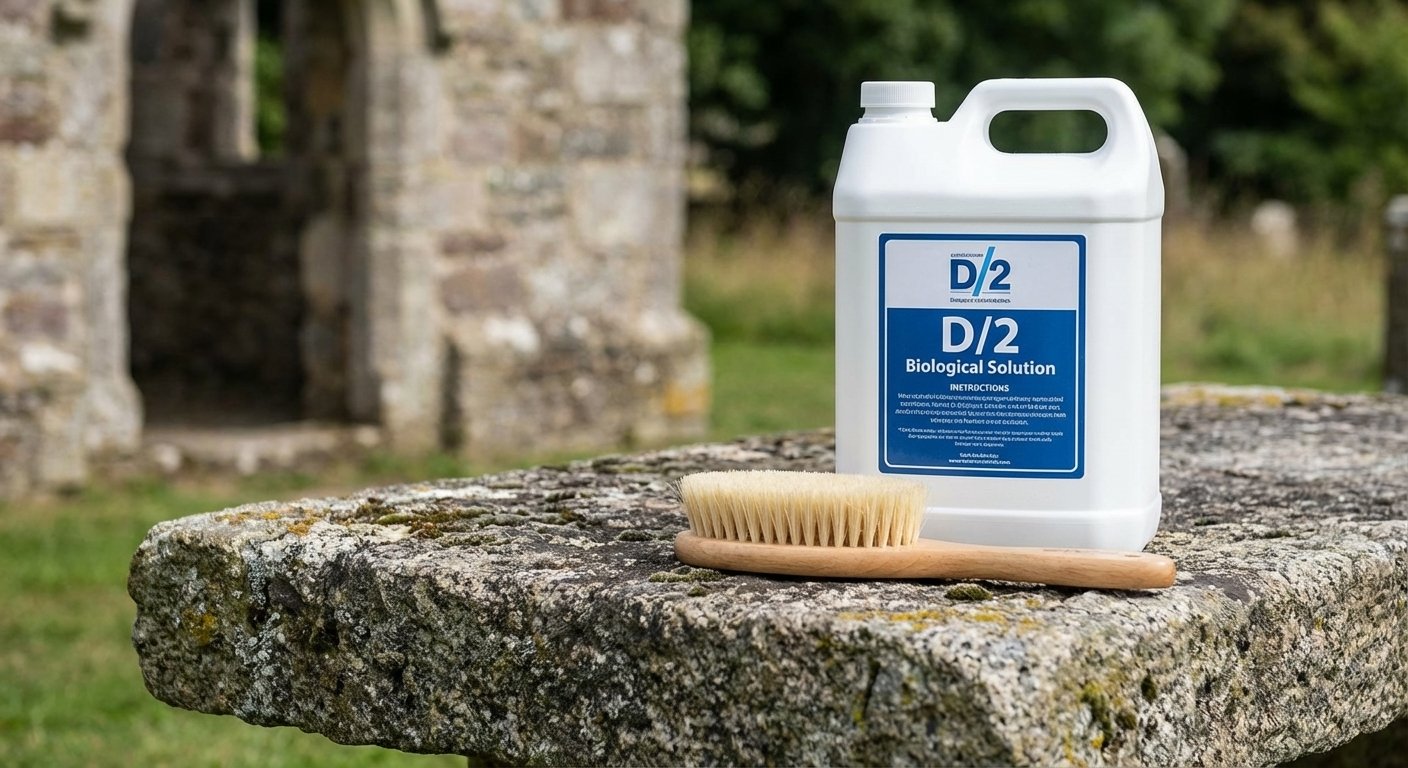
Preservation
I assess each stone, then use suitable methods and professional-grade biological solutions when appropriate to reduce biological growth and help reveal obscured names. Learn about grave-marker cleaning.
Does your mystery require boots on the ground?
If your ancestor’s story is buried under brush, lost in a basement, or hidden on a road that no longer exists, a computer search isn't enough.
I take the investigation into the field to hunt for the evidence digital searches leave behind.