
A Court Was Asked Whether AI Wrote a City’s Emergency Clauses
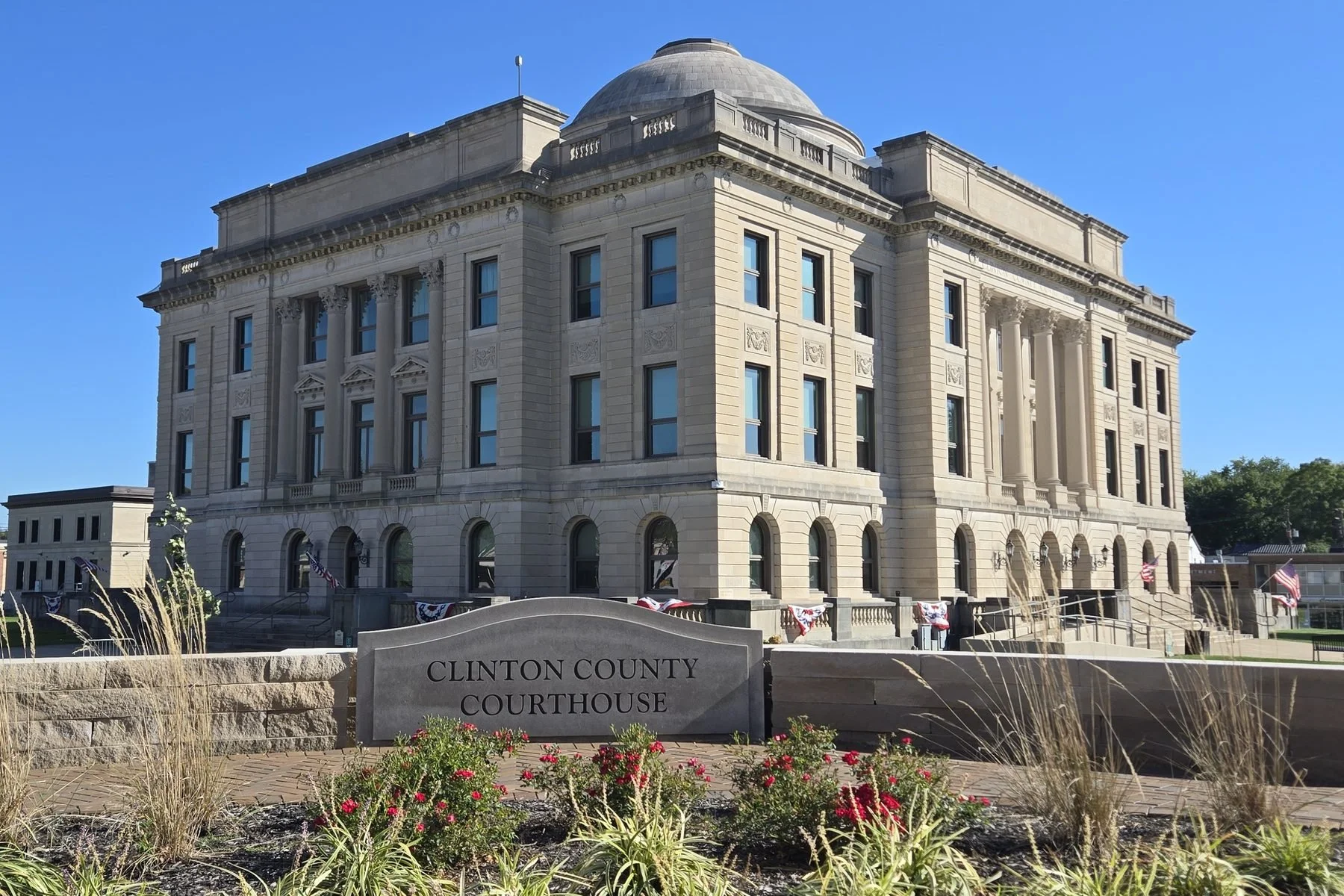
The Clinton County Courthouse, Wilmington, Ohio. Photographed October 7, 2026.
On Monday, October 5, a judgment was filed in the Clinton County Common Pleas Court in Wilmington, Ohio. It runs eleven pages. Most of it concerns a dispute I am going to stay out of. About a page and a half concerns artificial intelligence, and that part is worth reading closely.
The case is over two city ordinances tied to a proposed data center. Wilmington City Council passed them as emergency measures, which put them into effect at once. A resident sued, arguing that the emergency clauses did not meet Ohio law. The court upheld the clauses and dismissed her complaint. An appeal was filed the next day. Who is right about the ordinances is for the courts, and I take no side on it here.
One of her arguments is what caught my eye. She contended that the emergency clauses were likely written by AI software. A Wilmington College professor testified in support. Part of that professor’s job, the judgment notes, is detecting student writing that the student did not do.
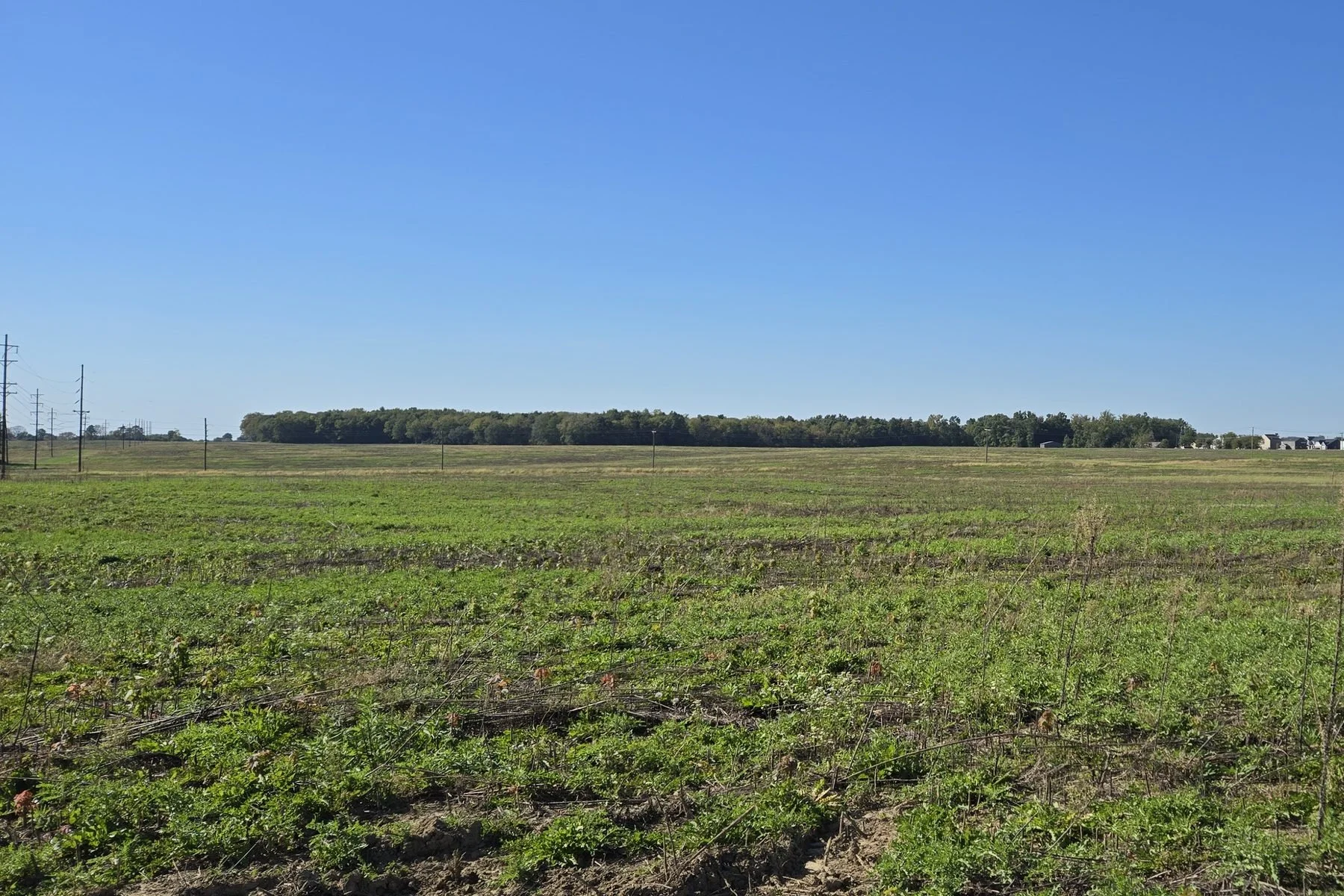
Farm ground at the site of the proposed data center, Wilmington, Ohio. Photographed October 7, 2026.
What the Court Accepted
Judge Jonathan P. Hein, sitting by assignment, accepted the professor’s expertise in detecting machine-assisted writing. He accepted her opinion that the drafting of the clauses “was likely assisted by an AI program.”
Likely. The word matters. The judgment also records that the professor did not know what drafting process the city used. So the judgment holds an accepted opinion. It does not say how the clauses were actually written.
Her written report is in the court file, and it shows how she got there. She read the clauses for style. She ran her own prompts through three AI tools. She ran the text through detection software, which scored both clauses as entirely machine-written. Then she disagreed with the software. At least one sentence, she wrote, looked to her as if a person had written or edited it.
Where the Argument Stopped
The argument needed one more step. If AI helped write the reasons, does that make the reasons wrong? The court found no testimony connecting the two. Then came two sentences worth keeping:
“It is plausible that AI software could improve the quality of the clauses by more thorough analysis of the available data. It is plausible that AI software could diminish the quality of the clauses by not analyzing the data at all.”
Same tool, two outcomes. What separates them is whether the evidence was put in front of the machine, and what was done with its answer.
The professor’s report says much the same from the other side. When she asked AI tools for paragraphs like the city’s, she wrote, they “acknowledged the need for more specificity but were unable to provide it without more substantial input from me.”
The court also set aside the professor’s second opinion, that the clauses were not specific enough to the city. Detecting machine writing was within her expertise, the judge found. Judging a zoning ordinance was not.
What the Court Did Not Decide
One limit has to be stated plainly. The judgment does not say the city’s reasons are true. Under Ohio law the court could only ask whether the reasons were properly stated on the face of the ordinances. In the judge’s words, “this Court does not consider the veracity of the contents of the emergency clauses.” Whether the stated reasons are accurate was never before him.
Why a Genealogist Cares
Because that unasked question is the one my work turns on.
I use AI every day, and I have said so. I have also watched one of these tools hand me a clean, confident sentence about a coffin that was never in the record. A model can write a convincing paragraph whether or not anything stands behind it. I do not know how the city drafted its clauses, and the judgment does not say. I do know how the work has to be done at my desk.
The records come first. The model drafts from what the records say, not from what sounds right. Then I read every line against the source before it goes out. Where the two disagree, the source wins.
A reader cannot tell from a finished paragraph whether that happened. Detection software cannot tell either. At best it reports that a machine was probably in the room. It cannot report whether anyone checked.
That part belongs to a person. In my line of work, we don’t guess. We prove. The tool does not change that. It only makes the checking matter more.
Sources: Clinton County Court of Common Pleas, Case No. CVH 2026 0318, “Judgment Entry – Denying Motions for Injunction and Dismissal of Complaint,” filed October 5, 2026, pp. 4–6 and 10; the plaintiff’s expert disclosure (Plaintiff’s Exhibit 7), attached to the City of Wilmington’s motion in limine filed September 29, 2026; docket entries of October 6, 2026 (Clinton County Clerk of Courts). “Judge upholds council’s emergency clauses for data center ordinances,” Wilmington News Journal, October 6, 2026.

