
New posts in this category are on the way.

The Infirmary Director Who Refused to Let Its Poor Vanish
For 60 years, Clinton County’s volunteer Board of Visitors filed annual reports on the infirmary — and never once named the ground where it buried its poorest dead. The director who ended those burials was a genealogist who could not abide a name left unrecorded.

Sugar Grove's Designer Supplied the Trees Beside the County's Lost Graves
In July 1874, Ohio’s leading fruit men toured the Clinton County Infirmary farm and found scarcely a defective apple — and none of the published accounts mention what lay near the trees. The designer of Sugar Grove Cemetery supplied the orchard that grew beside the county’s lost graves.

Who Built the Stone House on Todd’s Fork?
A stone house stands in the woods near Todd’s Fork in Clinton County, Ohio. An 1834 tax entry seemed to date it. The entry is right, but it was written about a different farm.

Three Names, Two Buildings and the Ground That Was Lost
Lorenzo “Cap” Williams spent more than 64 years inside the Clinton County Infirmary — and died seven months after a journalist named the men and women living in a building the state said should not stand. Three names, two buildings, and the ground that was lost across Lytle Creek.
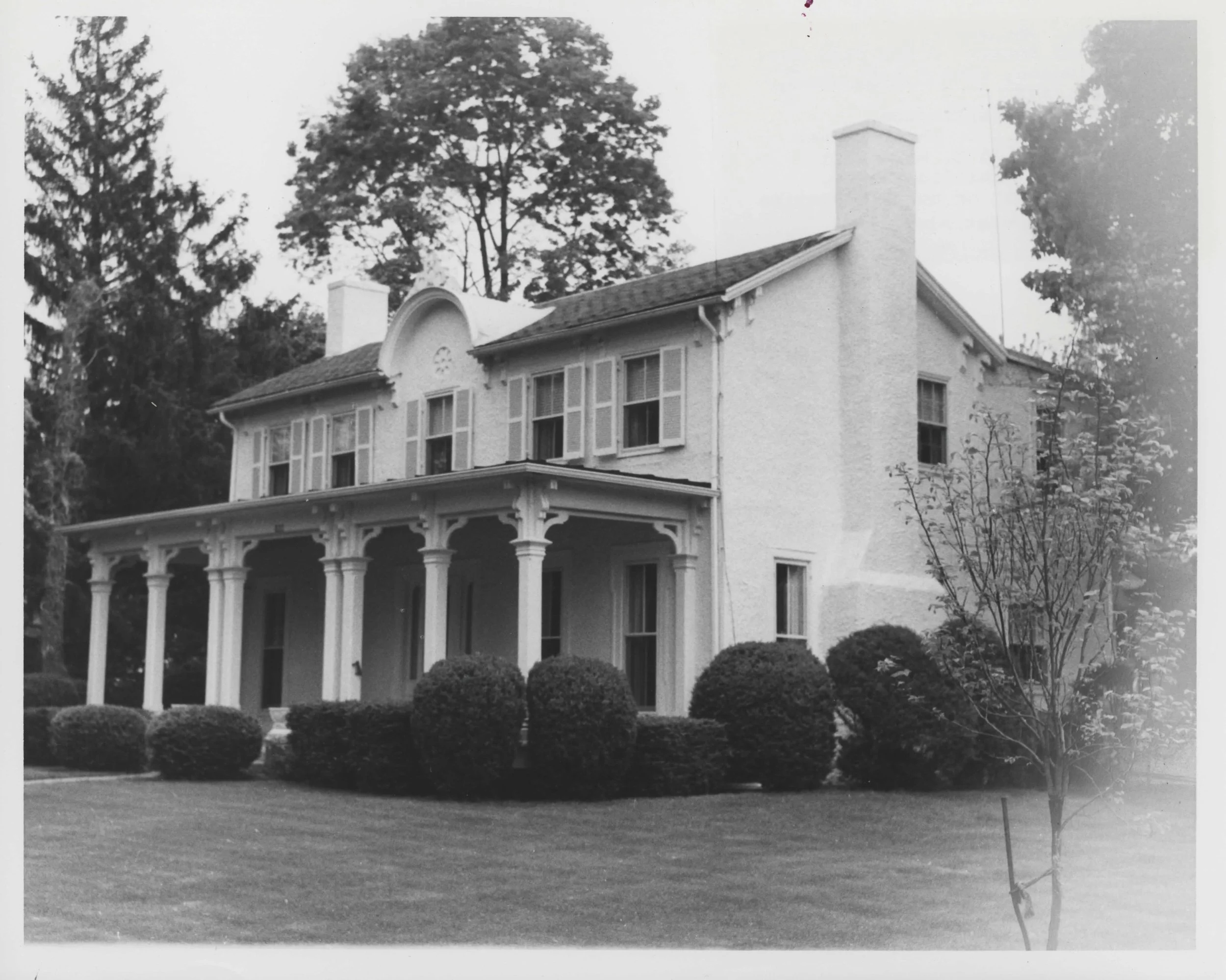
Two Leading Quakers Crossed a Creek to Bury a Poor Man with Grace
In the spring of 1900, two of Clinton County's most prominent men — a Civil War general turned judge and the region's oldest Quaker minister — crossed Lytle Creek to bury a man who had died with nothing. Why they went, and two lives from the Obscure Lot.