
New posts in this category are on the way.

Built 1897, Rebuilt 1958: What a Date Stone Proves
The date stone on Carthagenia Baptist Church at the Gist Settlement gives two years: built 1897, rebuilt 1958. Newspapers of the 1940s and ’50s gave the congregation an older start, and they don’t agree with each other.

Three Names, Two Buildings and the Ground That Was Lost
Lorenzo “Cap” Williams spent more than 64 years inside the Clinton County Infirmary — and died seven months after a journalist named the men and women living in a building the state said should not stand. Three names, two buildings, and the ground that was lost across Lytle Creek.
Which AI Are You Using?
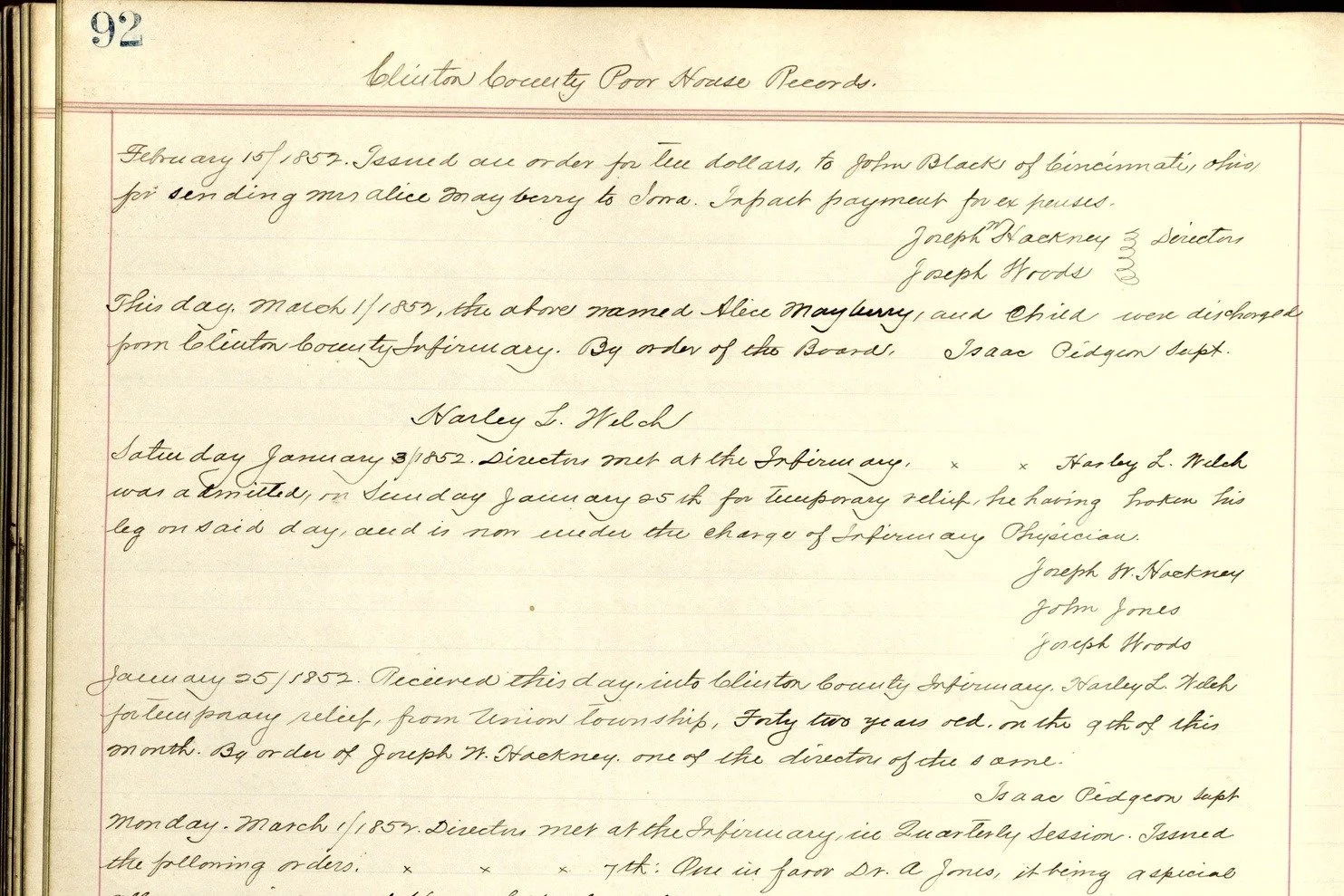
It is one of the questions I hear most in the field, from people in their twenties and their nineties. My answer starts with one page from an old county record book, six AI tools, and a coffin that was never in the record.
A Measuring Wheel, a Laser and Radar: Three Ways to Count One Cemetery
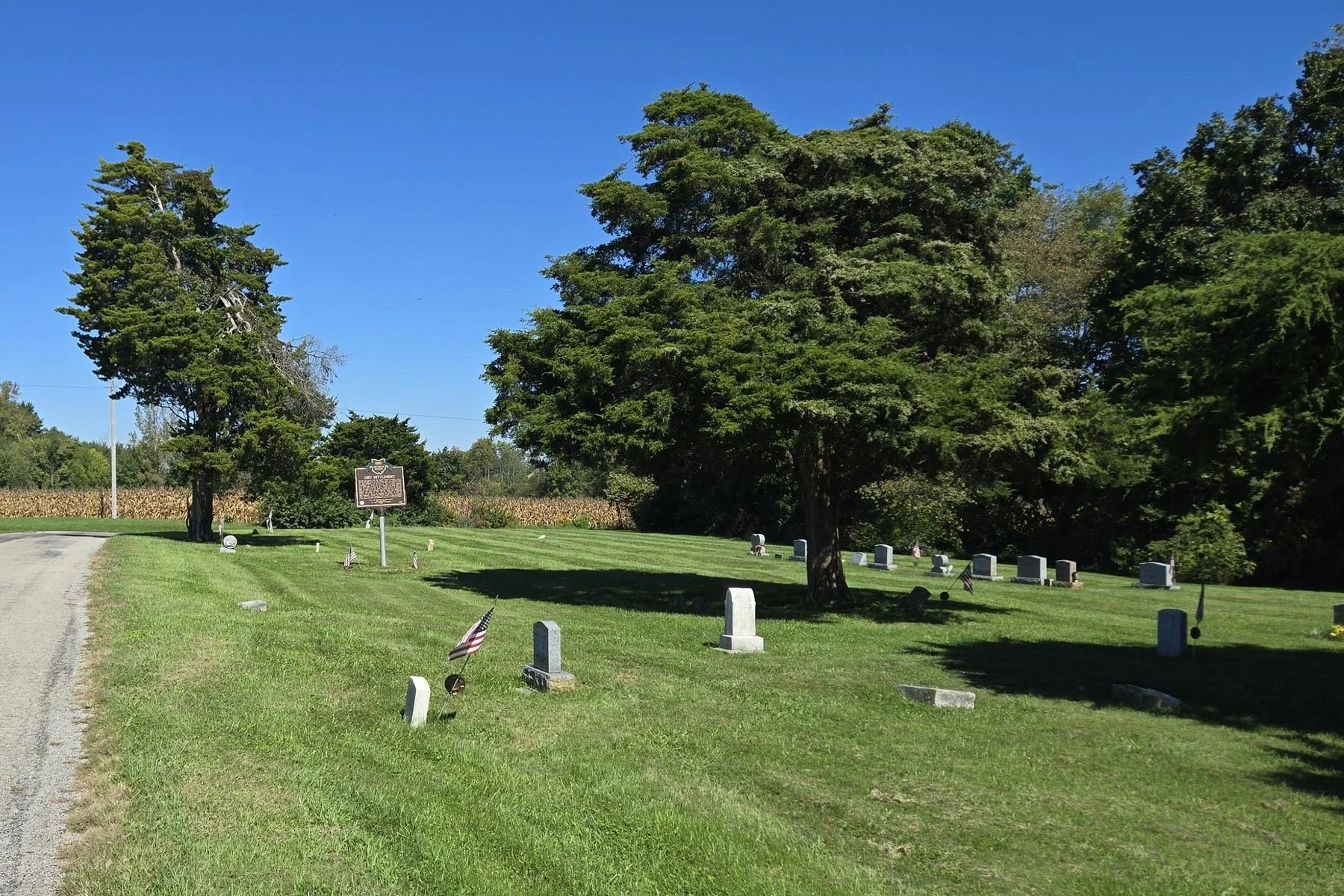
In 2006 a high school history class counted 94 grave markers in the Gist Settlement Cemetery with a measuring wheel. A laser and ground-penetrating radar later produced different numbers. Each answers a different question.
Lot 31: The Ground the Gist Settlement Set Apart
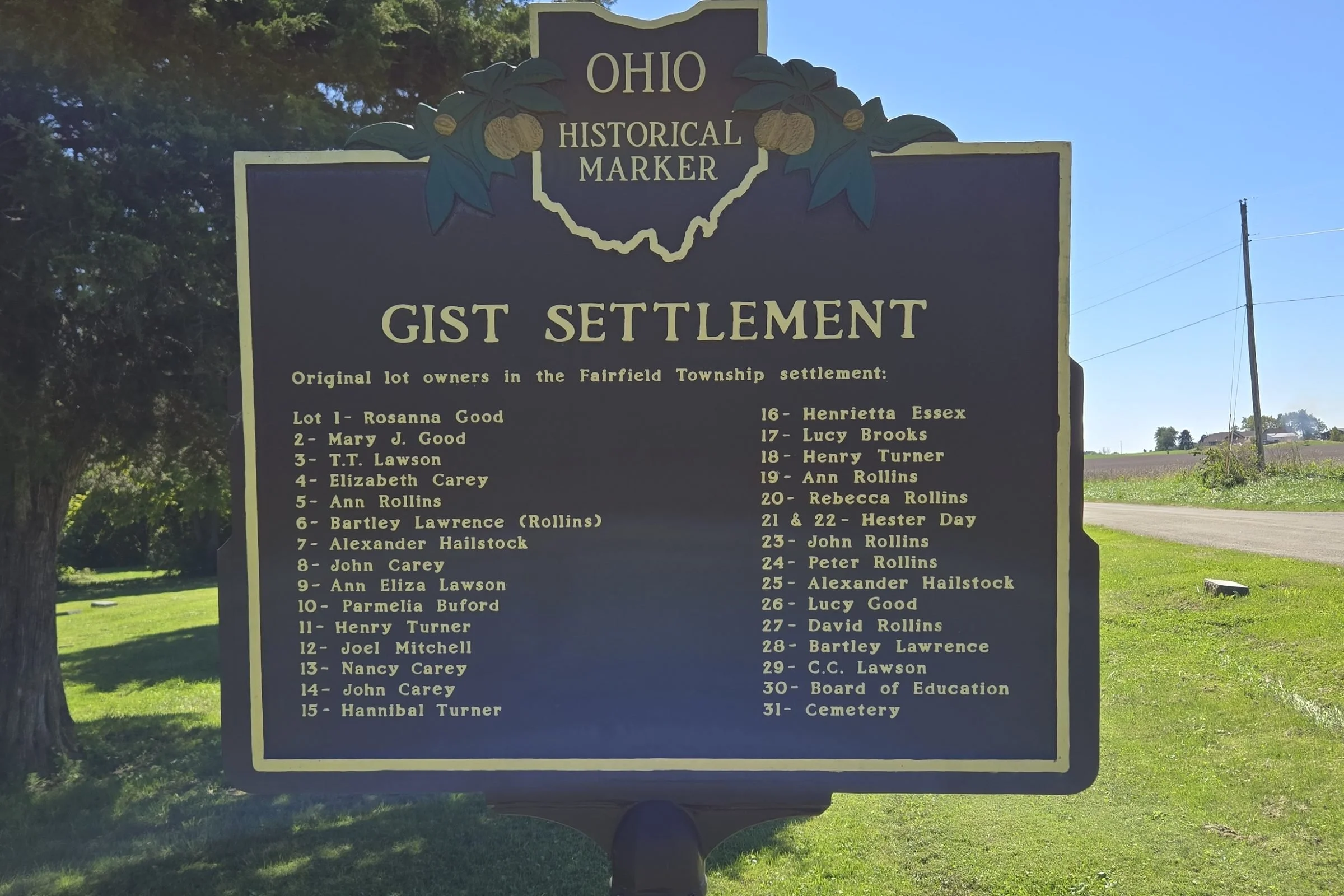
The back of the Gist Settlement's state historical marker lists thirty-one lots. The last line reads simply “31 – Cemetery.” A county plat from 1894 marks the same small parcel, and on October 24 that ground hosts an evening of the settlement's own stories.